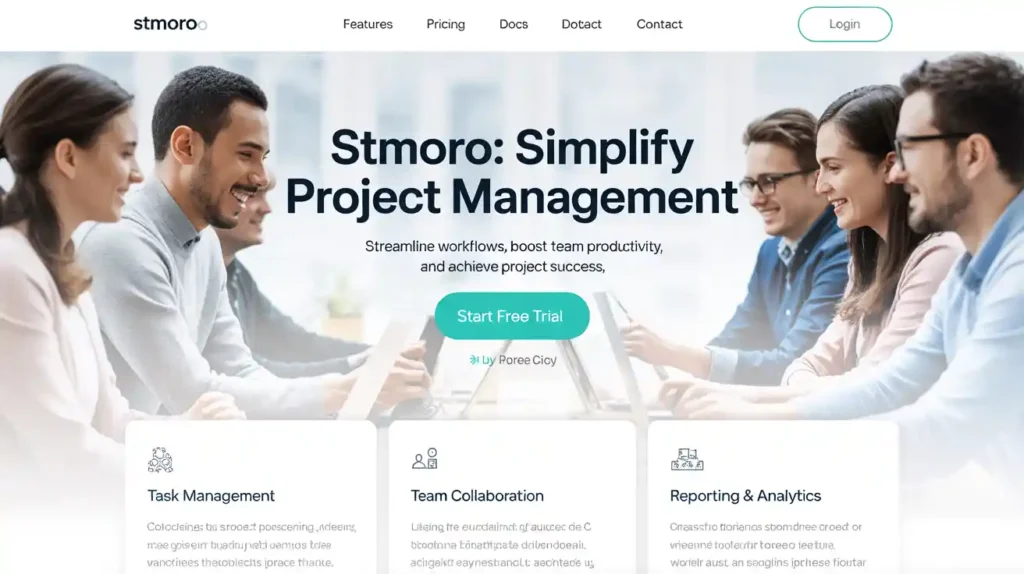

In an era where digital platforms crowd every niche—including project collaboration and task management—stmoro com emerges as an intriguing option. Understanding what stmoro com offers, how it fits into modern workflows, and whether it truly delivers value is essential for anyone exploring new tools to elevate their productivity.
This article breaks down stmoro com, examines its core features, practical applications, advantages, and considers how it stacks up in today’s competitive landscape. Whether you’re a team leader, freelancer, or enterprise manager, this deep dive uncovers what makes stmoro com notable—and when it might shine best.
Introduction to stmoro com
At its core, stmoro com is positioned as a flexible, intuitive workspace platform. From first contact—whether through a homepage or introductory walkthrough—the name stmoro com suggests a digital service, with privacy, speed, and reliability at its foundation.
Once inside the platform, users quickly encounter a structured interface: dashboards, project boards, messaging channels, and hierarchical task lists. It becomes clear that stmoro com is built for collaborative clarity, giving teams visibility over tasks, timelines, assets, and communication in one unified space.
Origins and Philosophy Behind stmoro com
While the precise backstory of stmoro com may not be widely documented, it clearly follows tooling trends that emphasize minimalism, adaptability, and team empowerment. The underlying philosophy of stmoro com leans toward modularity: allowing users to choose what they need—task boards, file sharing, automated reminders—without being locked into rigid templates.
That modular design reflects a broader drive for platforms to remain lightweight yet extensible. Users approaching stmoro com benefit from enabled flexibility, meaning the software scales with team size and complexity. This flexibility is at the heart of how stmoro com positions itself among project platforms.
Core Features That Define stmoro com
Streamlined Task Boards
One of stmoro com’s standout features is its intuitive task board system. Drag-and-drop columns represent project stages—Todo, In Progress, Review, Completed—and individual tasks are easily moved across these stages.
Every task card on stmoro com can include attachments, sub-tasks, comments, and priority tags. The layout makes filtering and prioritization simple, especially when chasing deadlines or managing multiple parallel efforts.
Real-Time Collaboration
Teams who adopt stmoro com enjoy live updates. When a member comments, changes status, or adds a file, others see it instantly. This eliminates version drift and communication leaks, making stmoro com a hub for synchronous collaboration even across time zones.
Flexible Scheduling and Reminders
A built-in calendar view complements task boards, showing deadlines and milestones visually. Users can sync these reminders, assign ownership, and configure notifications based on due dates. The reminder system in stmoro com helps keep deadlines visible and actionable without overwhelming users.
In-Platform Messaging
Instead of toggling to an external chat app, teams communicate directly within stmoro com. Threads are tied to tasks or projects, ensuring context stays linked. That unified messaging model inside stmoro com avoids scattered conversations and promotes focus.
Workflow Experience with stmoro com
Starting a Project
Creating a new workspace in stmoro com begins with a few clicks. You name the project, invite members, choose a template or start blank, and you’re able to begin assigning tasks within minutes. This quick setup is ideal for ad-hoc teams or fast iterations.
Organizing Tasks
As you flesh out tasks, the system grants flexibility. Columns can be renamed, user fields added, and automation rules applied—such as moving a card to “Complete” when all sub-tasks are done. That level of customization makes stmoro com adaptable across industries: marketing, engineering, creative agencies, small business owners.
Managing Progress
Regular stand-ups or status checks benefit from visual clarity. The progress of each task can be reviewed in real time. The versatile dashboard in stmoro com surfaces tasks by owner, upcoming deadlines, or slowed progress. Project leads appreciate the oversight without micromanaging.
Reporting and Analytics
For those seeking visibility, stmoro com includes simple reporting. Completion rates, overdue tasks, and team workload charts provide insights. These analytics help managers identify bottlenecks and distribute work in a balanced way.
Real-World Use Cases for stmoro com
Marketing and Creative Teams
Content calendars, campaign assets, and creative edits flow more smoothly in stmoro com. Teams assign posts, track review cycles, and exchange feedback in one place. The visual task boards and changelog history assist in maintaining consistency across creative sprints.
Agile Software Development
Product teams using sprint methodologies adopt stmoro com for story tracking, sprint planning, and backlog grooming. With task labels, priority flags, and sprint-sizing tools, stmoro com supports prioritization, agile rituals, and retrospective visibility.
Small Business Owners
Startups or SMBs with external freelancers use stmoro com to assign tasks, manage deliverables, and monitor timelines without switching platforms. The lower learning curve helps non-technical teams quickly onboard and start managing projects effectively.
Remote and Distributed Teams
Across geographies, stmoro com bridges communication gaps. With cohesive messaging per task, real-time views, and reminder systems, the platform ensures that time-zone separation doesn’t fragment workflows.
Key Benefits of Choosing stmoro com
Simplicity Without Sacrificing Power
While many robust platforms feel bloated, stmoro com keeps the interface clean. It offers core project management strengths—boards, calendars, chat—without overwhelming users with unnecessary modules.
Adaptable to Team Size and Scale
Whether you’re a solo freelancer or a ten-person remote team, stmoro com adjusts. Feature modules can scale up or stay minimal, so you pay for what you need and nothing more.
Improved Accountability and Transparency
Assigning tasks, tracking status, and logging comments enhances visibility. Team members have clear roles, deadlines, and historical context preserved. Teams using stmoro com report fewer dropped tasks and better follow-through.
Knowledge Retention in One Place
With comments, files, and actions tied to task cards, knowledge persists. When a team member leaves or hands over projects, new members have access to context. stmoro com keeps project history intact.
Common Misconceptions and Limitations
Not a Full-Fledged Enterprise Suite
While stmoro com offers essential project tools, it doesn’t compete directly with heavyweight enterprise platforms offering deep integration, advanced BI dashboards, or accounting modules. It’s best used where light to mid-level task management is needed.
Limited Automation Compared to Larger Platforms
Although stmoro com supports rule-based triggers (e.g., automatic stage changes), it may lack the depth of automation found in platforms built for enterprise workflow automations.
Fewer Third-Party Integrations
Unlike some platforms with hundreds of pre-built integrations, stmoro com may offer fewer out-of-the-box connectors. That said, its simplicity remains appealing for teams who don’t rely heavily on external systems.
Tips to Maximize Your Work with stmoro com
- Define a workflow template: Standardize project phases to save setup time.
- Use labels and tags wisely: Tags like “urgent,” “client-review,” or “backlog” help filter tasks quickly.
- Encourage inline communication: Prompt team members to comment under tasks for centralized discussion.
- Activate reminders early: Stay ahead on deadlines and avoid manual status chasing.
- Archive completed projects: Keep active workspaces lean while maintaining an accessible archive.
These practices ensure stmoro com becomes more than a tool—it becomes a process enhancer.
Future Prospects for stmoro com
As user expectations evolve, stmoro com may expand in several key directions:
- Enhanced reporting dashboards for deeper analytics
- More robust automation options and workflow templates
- Expanded app integrations: calendars, storage, chat systems
- Mobile editing or lightweight offline modes
If stmoro com develops these features while maintaining its core simplicity, it may become a leading choice for growing remote teams and flexible work groups.
Conclusion
In today’s crowded digital workplace environment, stmoro com distinguishes itself through balance. It combines essential project tools—boards, messaging, scheduling—into a sleek, modular platform. Teams benefit from clarity, accountability, and efficiency without being weighed down by complexity.
Whether you’re a marketer seeking slick campaign planning, a software team managing sprints, or a remote studio coordinating deliverables, stmoro com offers focused utility with familiar workflows. It’s not trying to be everything. Instead, it aims to do core project management extremely well.
That focused design makes stmoro com a compelling option for users tired of overbuilt platforms but still in need of real operational muscle. In the evolving digital workspace, platforms like stmoro com redefine how simple, powerful tools can drive productivity—and collaboration that just feels right.
We also recommend visiting zixelpapers.space.
For more insights, check out nerdnotes.space.
For related content, take a look at techsaga.space.
For more insights, check out magazinci.tr.
For related content, take a look at BuzzDailyPress.click.
For more insights, check out GlobalBuzz.click.
A great resource worth exploring is BuzzPressExpress.click.
For related content, take a look at NewsBuzzChannel.click.
For related content, take a look at MediaBuzzChannel.click.
A great resource worth exploring is GlobalBuzz.click.
A great resource worth exploring is MediaBuzzToday.click.
A great resource worth exploring is WorldDailyBuzz.click.